


Maasai Life
Life of a Maasai
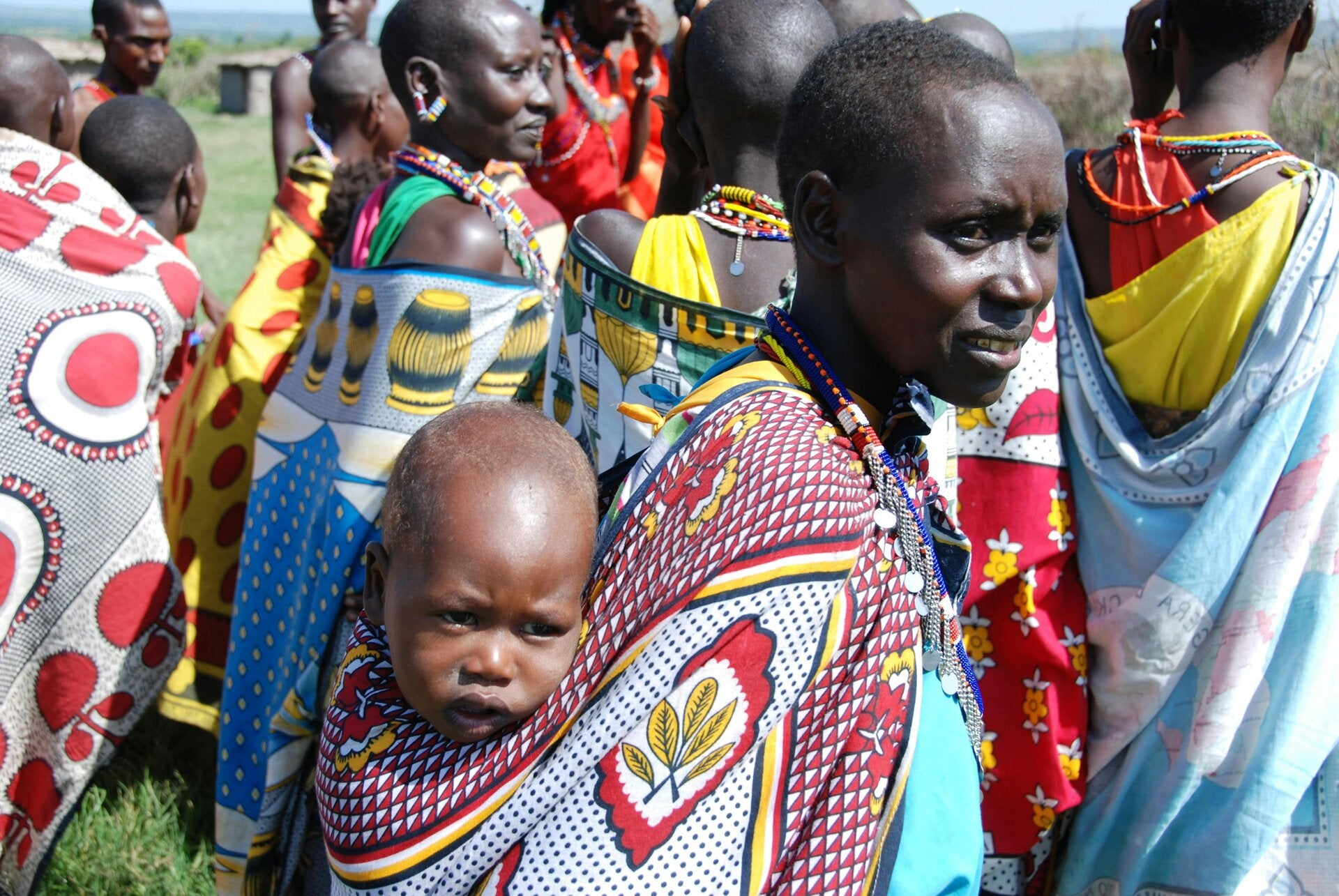
Maasai women in Kenya often face a tough life, dealing with poverty and cultural challenges.
Maasai girls are typically circumcised between 11-13 years old. After this, they are married off to a man chosen by their father, usually in exchange for cattle and money. A Maasai woman cannot easily get a divorce. If she becomes a widow, she cannot remarry; instead, she becomes the property of her husband's brother. She will likely be one of several wives, have many children, and spend her days doing chores like milking cows, collecting water, and gathering firewood. Her life is demanding, she depends on a family she didn't choose, and her life expectancy is often low. These responsibilities are even harder in a society where having multiple wives is common. A Maasai man might have several wives, and these co-wives often work together and support each other. Cattle are paid as a dowry from the new husbands family who will pay for the girl. This is paid to the girls father not the girl.
Educating a woman changes everything! She learns her rights, gets to choose her own partner, has fewer and healthier children, ensures her daughters avoid female circumcision, becomes financially stable, and puts 90% of her earnings back into her family. An educated man, in contrast, puts about 35% of his earnings back into his family.
Performing FGM in Kenya is against the law.
The Maasai are a noble and dignified people, living a nomadic life, raising cattle and goats in their mud hut villages. However, more and more land is being taken, which threatens their way of life.
Cattle and Livestock
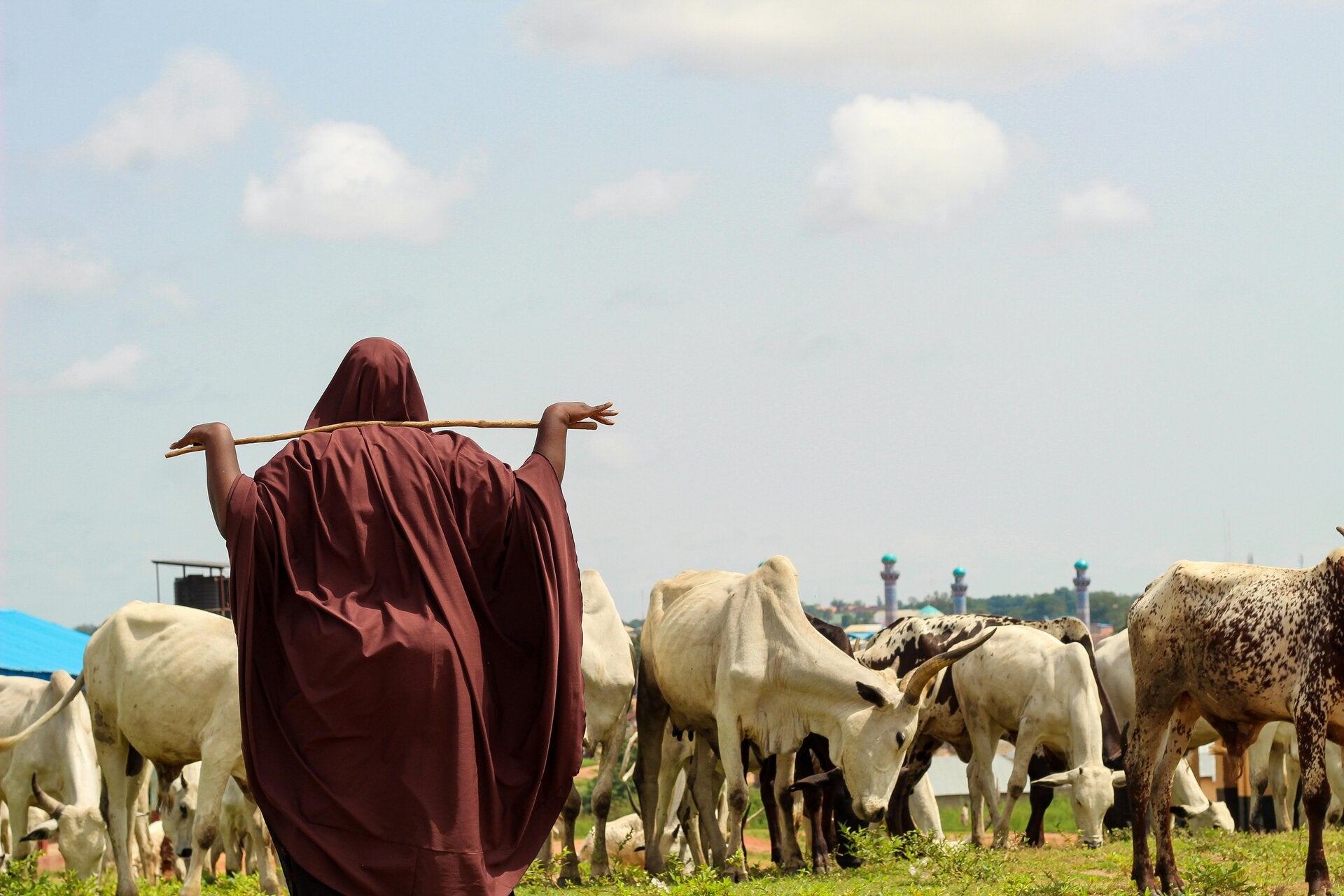
Cattle, sheep and goats are the main source of income, food and drink for the Maasai and the buying and selling of all animals indicates wealth. However over the last few years there have been many droughts and almost all the Maasai I have met have lost all their cattle and goats and so lost their source of income. Slowly herds are building up again but with climate change and persistent droughts with no grass available then sadly this will continue to happen. The land where my ladies live is scrubby and rocky with dreadful soil where crops cannot grow well unless watered regularly and protected from the hungry animals. In the rains it is a quagmire and in the sun it is very dry and dusty with the topsoil eroding leaving the rocks below.
Colours and meanings of the beadwork
Red, a colour linked to blood, has great power and meaning in Maasai culture. It represents bravery, strength, and courage. You can see this in the clothes and rituals of Maasai warriors and men, who often wear red shukas. During some ceremonies, they even paint their faces and bodies red with ochre and cow's fat, making the colour's importance even clearer.
Black is the sacred colour of wisdom and spiritual power. The Maasai god Enkai is called the black god Enkai Narok. Young boys who have just been circumcised wear black shukas until they become warriors, and they even get their faces coloured with white chalk for extra protection.
White is the colour of peace and purity. Since they are pastoralists who rely on their cattle for everything, milk is a very common food. In many ceremonies and rituals, Maasai elders give blessings by pouring white milk.
Blue is the colour of energy because the sky is blue, and that's where the rain comes from. Most Maasai women used to wear blue clothes, while the men preferred red. Nowadays, fashion changes, but what the colours mean stays the same.
Yellow and orange, the warm colours of the sun, symbolize hospitality. When you visit a Maasai boma (their homestead), you will immediately feel their warm welcome as you are always greeted with a sweet cup of tea/chai. The Maasai show their welcoming gesture by keeping milk from their cows in bright orange calabashes.